
CONTACT
US TODAY
CONTACT
US TODAY

When customers receive a lubricant, they expect it to perform consistently throughout its service life. What they don’t see is the lubricant quality assurance process that begins long before the product reaches their site.
Every stage, from material checks and lubricant testing to production controls and contamination prevention, helps maintain product consistency. This means manufacturers build quality throughout the process, rather than depending only on final inspection.
For businesses operating vehicles, machinery, and industrial equipment, lubricant performance supports equipment protection, maintenance planning, and long-term reliability. Product confidence depends on both the lubricant delivered and the quality assurance process behind it.
Whether used in engines, hydraulic systems, gearboxes, or industrial equipment, lubricants must perform consistently to support protection, maintenance planning, and long-term reliability.
When lubricant quality is inconsistent or poorly managed, the impact may not be immediate. Over time, unsuitable or compromised lubricants can affect equipment protection, maintenance intervals, productivity and overall operating confidence.
This is why product quality control matters. Businesses need confidence that proper checks support the lubricant products before they reach the site. Behind every reliable lubricant is a quality assurance process that helps maintain product consistency, reduce contamination risk and ensure the product remains suitable for operational use.
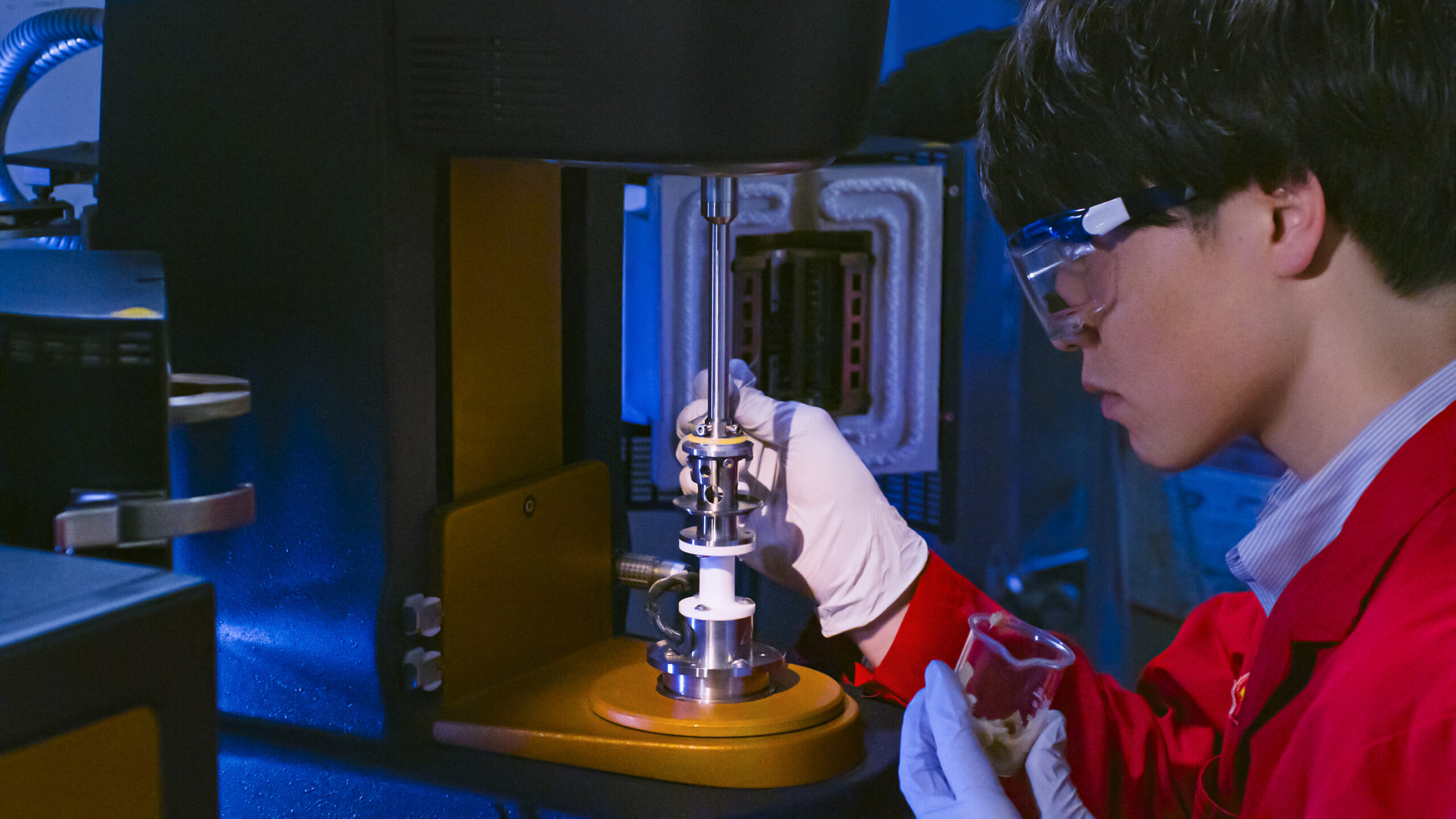
Lubricant quality assurance begins before blending even starts. Incoming materials, including base oils and additives, are verified against required specifications before entering the lubricant manufacturing process.
These checks are essential because base oils and additives form the foundation of lubricant performance. Without proper verification, the finished lubricant may not deliver the expected levels of protection, stability, or application performance.
Verifying incoming materials before blending begins helps manufacturers maintain product consistency and develop lubricants that meet specific equipment, operating conditions, and performance requirements.
Quality assurance continues throughout production rather than at the end of it.
During Mecpec’s visit to Shell’s lubricant manufacturing facility, our team observed how product quality control runs across the entire manufacturing process. Incoming material verification, structured testing, production controls, and sample inspections work together as one integrated system to support consistent lubricant quality.
The visit reinforced one key insight: final inspection does not create product confidence. Disciplined manufacturing controls build it progressively at every stage of production.
Sample testing plays an important role in this process, helping confirm that each production batch continues to meet its intended specifications before moving to the next stage.
Quality assurance continues even after production is complete.
During the filling stage, additional checks help confirm that the correct lubricant is handled, filled, and packaged before leaving the facility. Flushing procedures also help prevent cross-contamination between different lubricant formulations, protecting the performance characteristics of each product.
Although these processes often happen behind the scenes, they play a critical role in contamination prevention and maintaining product integrity.
Every inspection, flushing process, and filling line check helps preserve the integrity of the lubricant before delivery, ensuring customers receive products that remain true to their intended formulation.
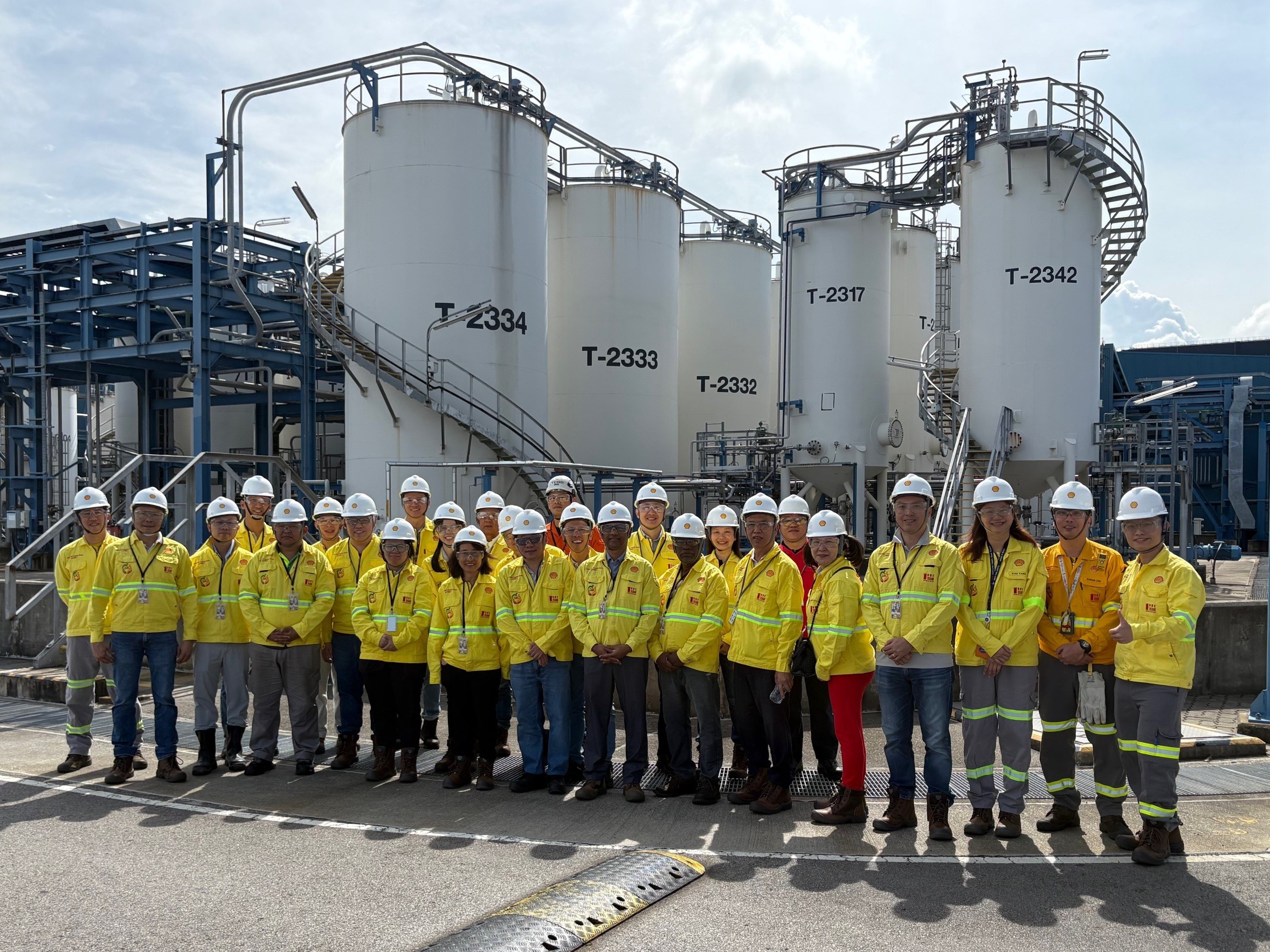
Observing these manufacturing processes has strengthened Mecpec’s understanding of how manufacturers build lubricant quality before delivery. These insights allow us to provide more informed product recommendations that go beyond supplying lubricants.
Through close collaboration with major oil partners and first-hand observations of manufacturing quality assurance, we continue to strengthen our technical knowledge and better support our customers.
Our support includes:
These insights help us bridge the gap between manufacturing quality assurance and real-world applications, giving customers greater confidence that the selected lubricant matches their equipment, operating conditions, and maintenance requirements.
Lubricant quality assurance does not depend on a single inspection. Structured checks, testing procedures, production controls, and contamination prevention measures build quality before the product reaches the customer.
Through strong relationships with major oil partners and first-hand insights gained from Shell’s lubricant manufacturing facility, Mecpec continues to strengthen its technical expertise. These insights enable us to provide more informed lubricant recommendations that help customers make confident decisions for their equipment and operations.
If you would like to review your lubricant needs, Speak With Our Team to explore the right lubricant products and support for your operations.