

Key Takeaways
- Familiar diesel supply arrangements may still work well, but changing usage and site requirements can affect how suitable they remain.
- Effective fuel supply planning considers consumption patterns, delivery methods, storage needs and replenishment timing, not just the next order.
- A closer review can reveal whether an established routine still fits demand or whether practical adjustments may better support supply continuity.
Introduction
When did your business last review its fuel supply arrangements instead of simply placing another order?
For many businesses, diesel supply follows an established routine. Businesses often place orders at familiar intervals, receive deliveries on agreed schedules and rely on existing storage arrangements. When deliveries arrive as expected, few question the routine.
Yet operations rarely stay the same. A growing fleet, longer equipment hours or changing project requirements can gradually alter how much fuel a business needs and when it needs it.
But an arrangement that worked yesterday may not reflect today’s needs. Fuel supply planning goes beyond the next delivery to consider whether supply still matches actual demand.

When Familiar Fuel Arrangements Stop Reflecting Actual Usage
Consider a construction company that originally planned deliveries for a small number of machines. As new projects begin, additional equipment and longer working hours may increase diesel consumption, even though its ordering routine remains unchanged.
A fleet operator may face a similar situation after adding vehicles or adjusting delivery routes. What once provided enough fuel at the right intervals may no longer match the way the business operates.
The first signs may be subtle: more last-minute orders, repeated top-ups or extra time spent coordinating supply.
Four questions are worth asking:
- Usage patterns: Has fuel consumption changed as equipment or fleet activity increases?
- Delivery quantities: Do regular order volumes still reflect actual demand?
- Replenishment timing: Do scheduled deliveries suit current working hours and peak periods?
- Site requirements: Do different locations now have different access or fuel needs?
These are not reasons to replace a familiar arrangement automatically. They help reveal whether the routine still fits.
Does the Delivery Method Still Suit the Operation?
Diesel delivery planning is also about how fuel reaches the equipment or site. A construction project, transport fleet and industrial facility may all depend on diesel, but their delivery requirements can differ significantly.
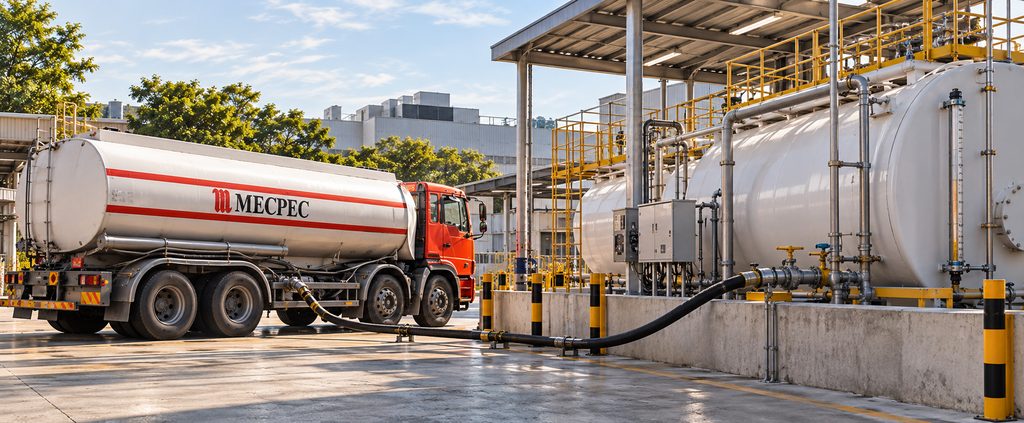
Some businesses use bulk deliveries into on-site storage tanks. Others may require metered top-ups or deliveries coordinated around site access and operating schedules. Fuel consumption, available storage, site accessibility and equipment usage all influence which delivery approach suits a business.
For a fixed facility with steady demand, bulk delivery may suit its storage setup. A project site with changing needs may benefit from metered top-ups.
The key question is whether the delivery method suits where and how the business uses fuel.
Why Fuel Storage and Supply Coordination Belong Together
Even a suitable delivery method must align with how a business stores and uses fuel. Fuel storage considerations extend beyond tank capacity to include accessibility, stock visibility and replenishment requirements.
A business may have sufficient tank space, for instance, but still find that its delivery schedule no longer reflects higher consumption during busy periods. Conversely, a familiar delivery frequency may be adequate while changes to site access make coordination more important.
Two sites can have similar tank capacities but very different consumption peaks. Their replenishment schedules may need to reflect that difference.
This connection between storage, usage and diesel delivery planning matters for supply continuity. Viewing these factors together supports more informed fuel management decisions.
How Mecpec Supports Fuel Supply Planning
At Mecpec, we recognize that there is no single diesel supply arrangement that suits every business. Requirements differ across fleets, construction sites, industrial facilities and other operations.
Alongside diesel supply, Mecpec supports customers with fuel management guidance and practical considerations around delivery coordination, storage and usage requirements. With bulk delivery and metered top-up options, we can discuss arrangements in the context of a customer’s usage and site needs.
A useful discussion starts with what has changed: consumption, delivery frequency, site access or storage needs. A closer review may confirm that an existing approach works well. Where requirements have changed, it may reveal opportunities to better align supply with everyday operations.
Conclusion
Familiar fuel arrangements often remain in place because they have worked well.Yet their suitability can change alongside equipment use, project schedules and site requirements.
Fuel supply planning is not about changing arrangements for the sake of change.The goal is to ensure diesel supply continues to support how the business operates today.
Do your delivery schedule, order quantities and storage arrangements still reflect actual demand? Speak With Our Team to review your current setup and explore suitable options.