
Key Takeaways
- The lowest unit price does not always reflect the true cost of daily operations.
- Fuel supply planning, AdBlue quality, lubricant performance, and maintenance needs can influence long-term operating cost.
- Looking at total cost of ownership helps businesses compare value more clearly instead of focusing on price alone.
Introduction
In many businesses, fuel, AdBlue, and lubricant decisions often begin with price. Businesses naturally compare unit costs, especially when they need to monitor operating expenses closely. However, in daily operations, the lowest price does not always represent the lowest cost.
For companies managing vehicles, machinery, generators, or industrial equipment, the product purchased is only one part of true operational cost. Delivery planning, stock availability, product suitability, maintenance requirements, equipment condition, and productivity can all influence cost over time.
This is where total cost of ownership in operations becomes important. Instead of looking only at the upfront price of fuel, AdBlue, or lubricants, businesses need to consider how these decisions affect equipment performance, maintenance planning, cost control, and long-term operating value.
Why Price Alone Does Not Show the Full Cost
A lower-priced option may seem cost-effective at the point of purchase, but the wider cost impact may only become clear later. Weak supply planning, unsuitable product selection, or missed maintenance issues can lead to urgent repairs, reduced productivity, higher maintenance requirements, or shorter equipment life.
In operations, small cost factors can build up over time. A poorly timed diesel order can increase pressure on delivery planning. Poor product handling can affect product quality before use. An unsuitable lubricant can increase wear. Equipment issues that go unnoticed can lead to more expensive maintenance later.
This is why operational cost management requires businesses to look beyond unit price. The real question is not only how much the product costs, but how well it supports equipment reliability, maintenance efficiency, and long-term value.

Fuel Management Affects More Than Purchase Price
Most consumers experience fuel as a simple transaction. They go to a petrol station, fill up, pay, and leave. For businesses, fuel management is very different.
For businesses, fuel management often involves:
- delivery planning
- storage capacity
- tank level monitoring
- site access coordination
- stock visibility
- usage planning
A business that relies on diesel supply for vehicles, equipment, or site operations must ensure fuel is available at the right time, in the right quantity, and in a way that supports operational schedules.
Weak planning rarely affects fuel price alone. Last-minute orders can place pressure on teams. Poor stock visibility can affect planning accuracy. Delivery timing can also affect productivity when scheduled work depends on vehicles or equipment being ready.
Reliable fuel management helps businesses control cost more effectively by improving visibility, planning, and supply readiness.
AdBlue Quality Affects System Confidence and Long-Term Value
For businesses operating modern diesel vehicles or equipment, AdBlue quality is also an important consideration. AdBlue supports the Selective Catalytic Reduction system, commonly known as the SCR system, which helps reduce nitrogen oxide emissions from diesel engines.
Since AdBlue supports SCR system performance, product consistency and proper handling are important to maintaining system reliability. Decisions should not be based on unit price alone. From a total cost of ownership perspective, product confidence, supply reliability, and proper handling can matter more than short-term price comparisons.
Mecpec supplies Air1 AdBlue by Yara, a recognized producer with established quality standards. This helps customers maintain confidence in product consistency, system compatibility, and long-term operating value.
For businesses, AdBlue is not just another consumable. It supports vehicle and equipment readiness, especially for operations that depend on modern diesel engines. Choosing a recognized product helps reduce uncertainty and gives businesses greater confidence in daily operations.
Lubricant Performance Also Affects Long-Term Cost
Lubricants are another area where price alone does not tell the full story. A lubricant helps protect moving parts, reduce friction, manage heat, and support equipment performance under operating conditions.
Lubricants support better protection and maintenance planning when their performance matches the equipment and application. However, unsuitable lubricants can affect wear, efficiency, component life, maintenance frequency, and overall operating cost.
In some cases, the cost of equipment downtime or repair may be higher than any savings from choosing a lower-priced product. Businesses operating fleets, machinery, or industrial equipment should view lubricant decisions as part of total cost of ownership.
The right lubricant, used correctly, can help support equipment reliability, improve maintenance planning, and reduce unnecessary maintenance risk.

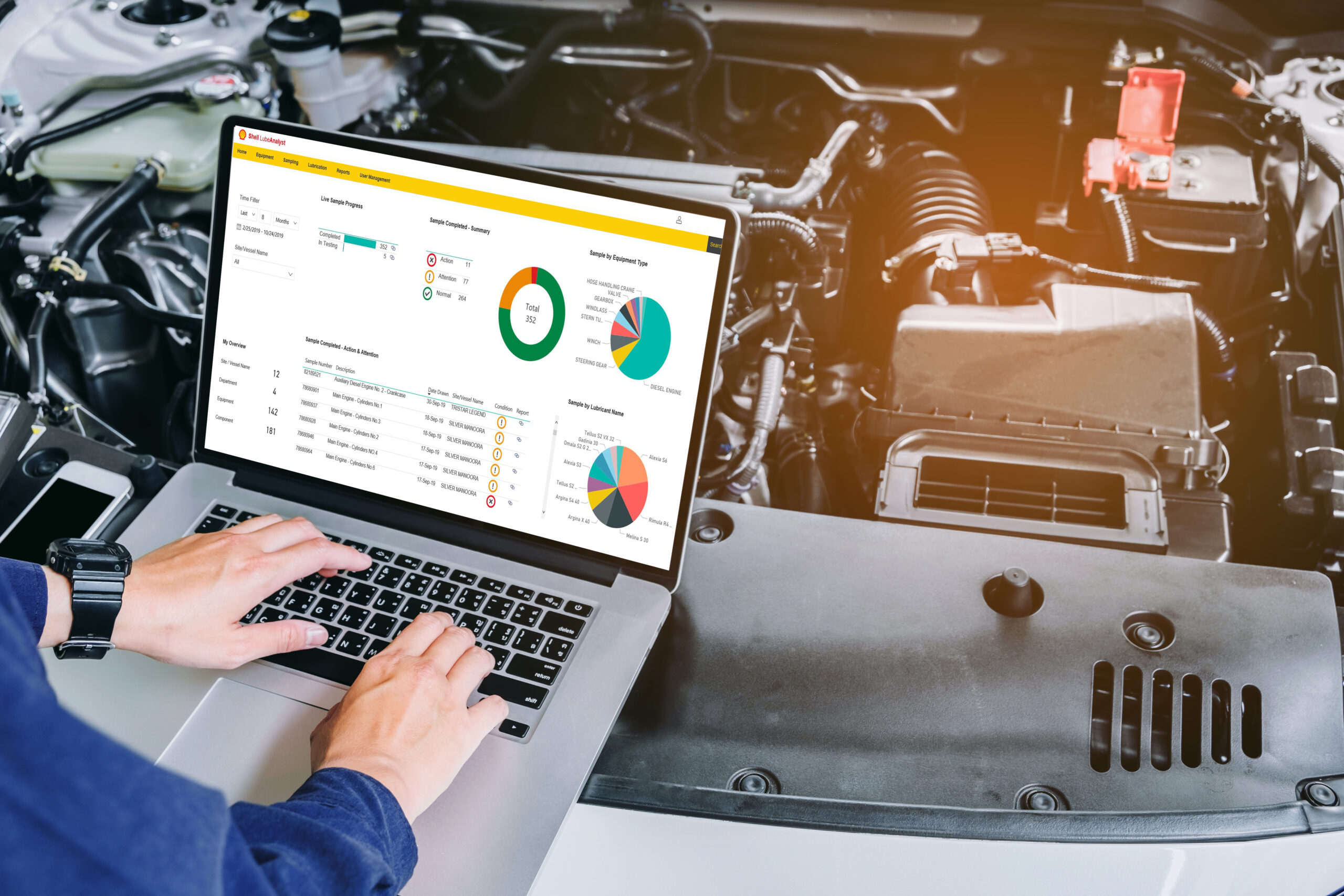
What Oil Analysis Reveals Beyond What You Can See
Not all equipment issues are visible during daily operations. A machine may appear to be running normally, while early signs of wear, contamination, or lubricant degradation are already developing inside the system.
Oil analysis can help businesses identify:
- lubricant condition
- contamination levels
- early signs of equipment wear
- abnormal wear patterns
- whether earlier maintenance action is needed
These insights support more informed maintenance planning because decisions are based on condition and data, not assumptions. Oil analysis helps businesses act earlier, before small issues become more costly.
In this way, oil analysis supports operational cost management by improving visibility. It helps businesses move from reactive maintenance towards more planned and informed maintenance decisions.
How Total Cost of Ownership Helps Businesses Compare Value More Clearly
Fuel supply planning, AdBlue quality, lubricant performance, and oil analysis may seem like separate areas, but they all help businesses understand the wider cost behind product decisions.
Together, these areas help businesses:
- compare price against long-term value
- improve product confidence
- select products based on application needs
- gain visibility into equipment condition
- plan maintenance earlier
- reduce unnecessary cost exposure
At Mecpec, we understand that businesses need more than product supply. They need practical support that helps them evaluate product decisions in relation to real operating needs.
Through diesel supply, Air1 AdBlue, lubricant support, oil analysis, site support, supply planning, and product guidance, Mecpec helps customers consider the operational factors behind cost. This allows businesses to review their needs more clearly and make decisions based on reliability, suitability, and long-term value, not price alone.
Conclusion
Price matters, but it is only one part of operational cost. Supply planning, product quality, maintenance needs, equipment condition, and productivity all shape the true cost of daily operations.
By looking at total cost of ownership in operations, businesses can make better decisions that support long-term performance and cost control. Fuel management, AdBlue quality, lubricant performance, and oil analysis all play a role in helping companies understand what really affects operational cost.
If you are looking to plan your supply requirements or review your fuel, AdBlue, and lubricant needs, Speak With Our Team.